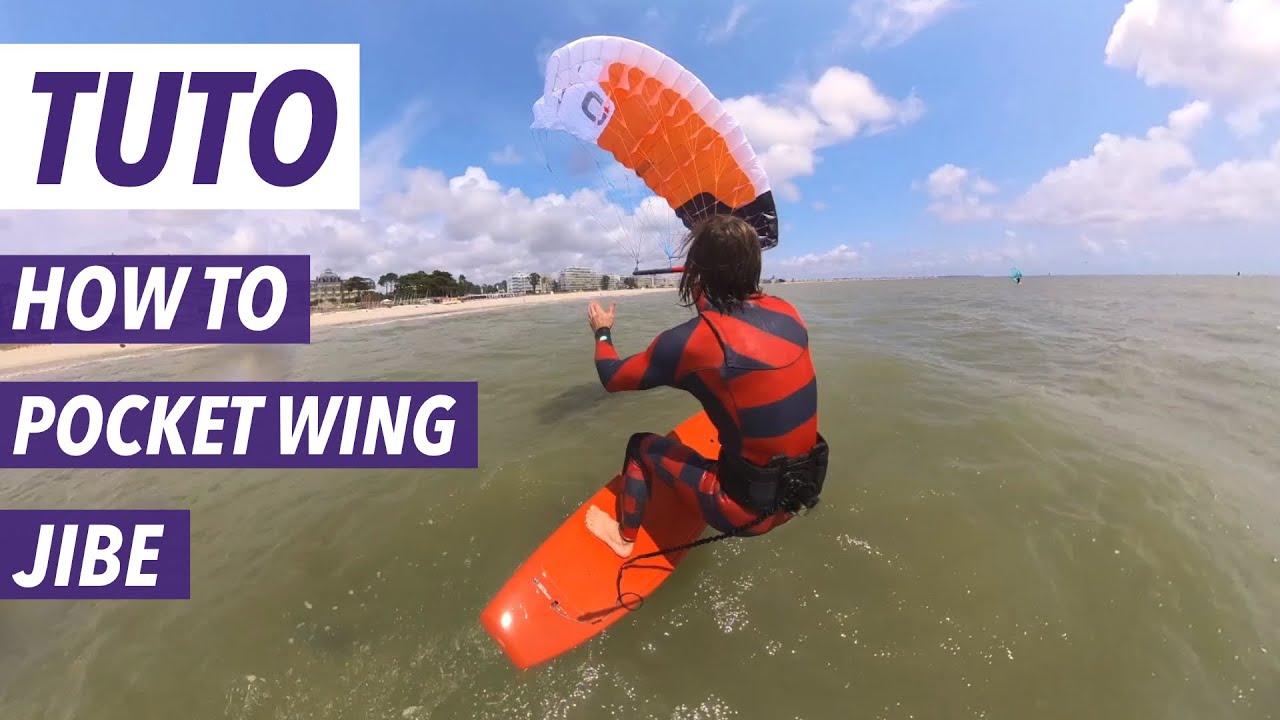
Mastering the jibe in pocketwing
The jibe in pocketwing or parawing is not an instinctive maneuver: the lines quickly slacken downwind, which can unbalance and cause the wing to fall. Here are simple and effective keys to progress, especially in light wind conditions.
Thanks to Hadou Brunner for his content: this article summarizes his video "How to Pocketwing / Parawing Jibe?", in which he shares his tips for improving foil transitions. We invite you to follow him on YouTube.
Key information to remember
- Controlled speed: sufficient but not excessive before the turn.
- Tight turn: reduce the downwind phase to keep the lines taut.
- Adapted gear: compact foil and light wing with short lines.
- Tips: pull back to pivot, pump in lulls, or fold the wing (packing jibe).
Table of Contents
Finding the right speed and initiating the rotation
Before engaging the jibe, it is essential to have sufficient but not excessive speed. As in wingfoil, Hadou prefers to slow down slightly, luff a bit, then initiate the rotation with a wrist movement. The kite then switches to the other tack, with the body following the board and foil. The key is to maintain a fairly tight curve: a too-long downwind phase inevitably leads to a loss of tension in the lines.
Adapting the curve to the foil and choosing the right kite
The size of the foil directly influences the maneuver: with a large foil, turns are naturally less tight, so you need to adjust your trajectory. Regarding kites, Hadou emphasizes the importance of favoring lightweight pocketwings with short lines to maintain responsiveness in light wind.
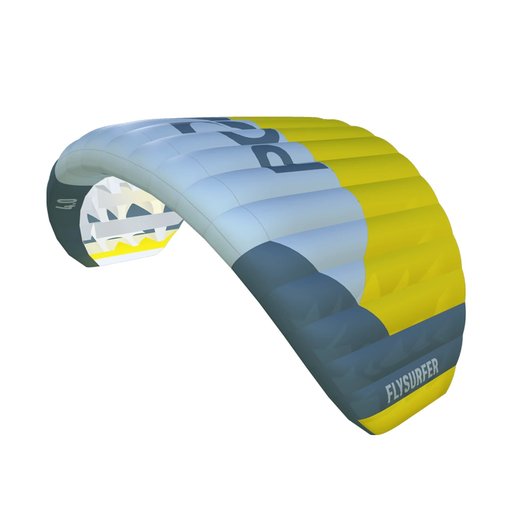
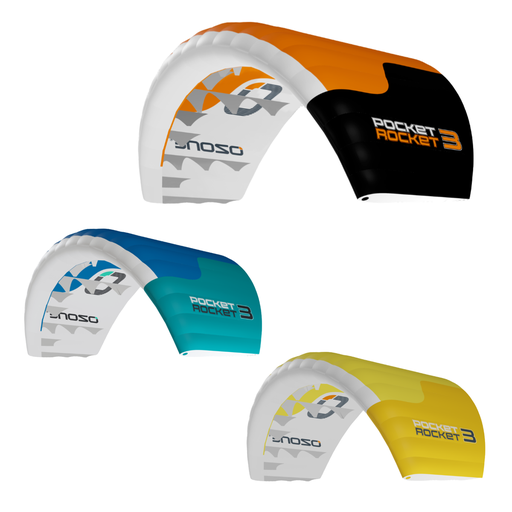
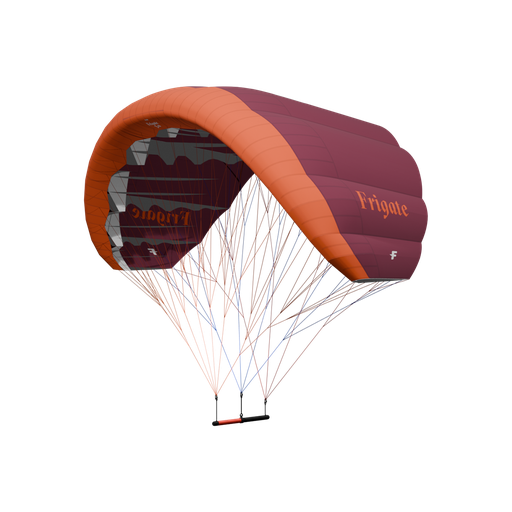
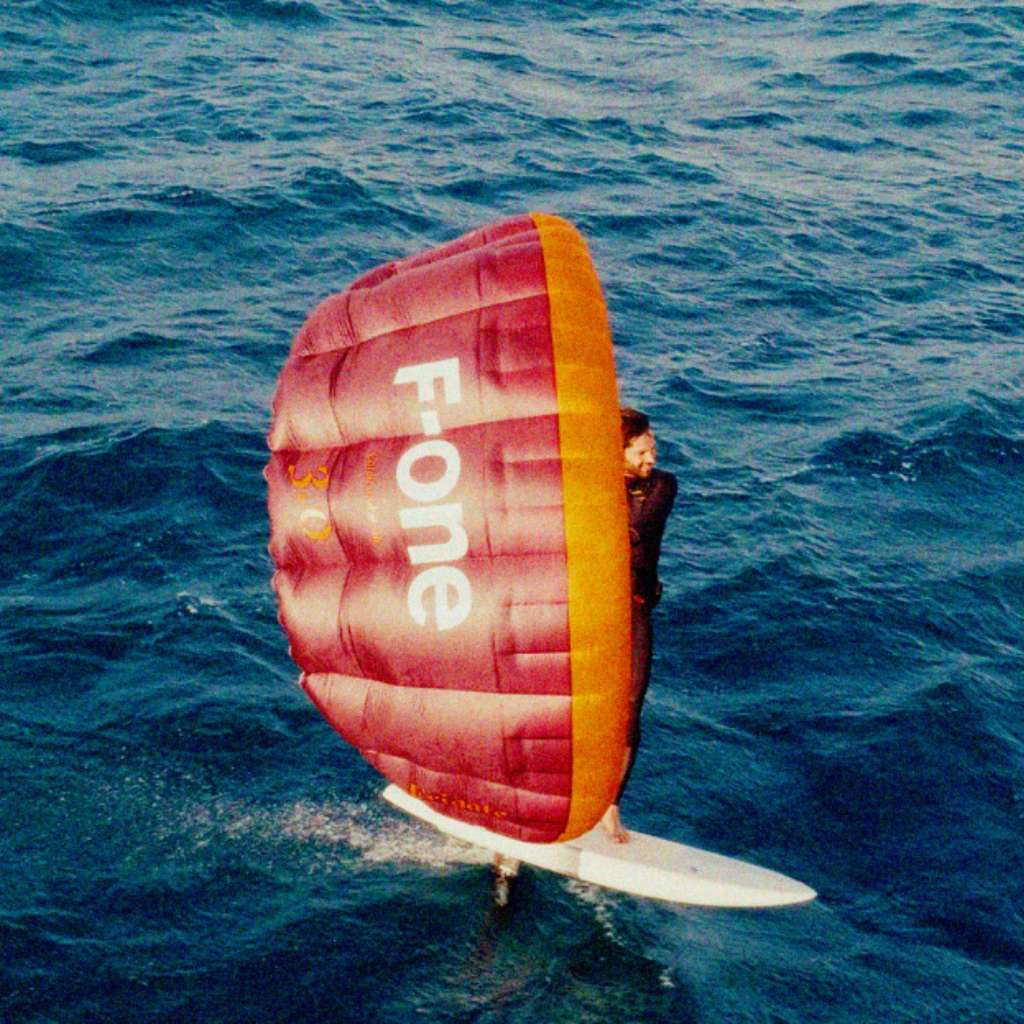
Among the kites suitable for light wind, Flysurfer's POW stands out for its lightness and short lines, ideal for maintaining responsiveness. Ozone's Pocket Rocket offers excellent handling and remains performant even in delicate transitions. Finally, F-One's Frigate is an excellent compromise, providing versatility and stability for confidently progressing with your jibes.
Practical tips for successful jibes
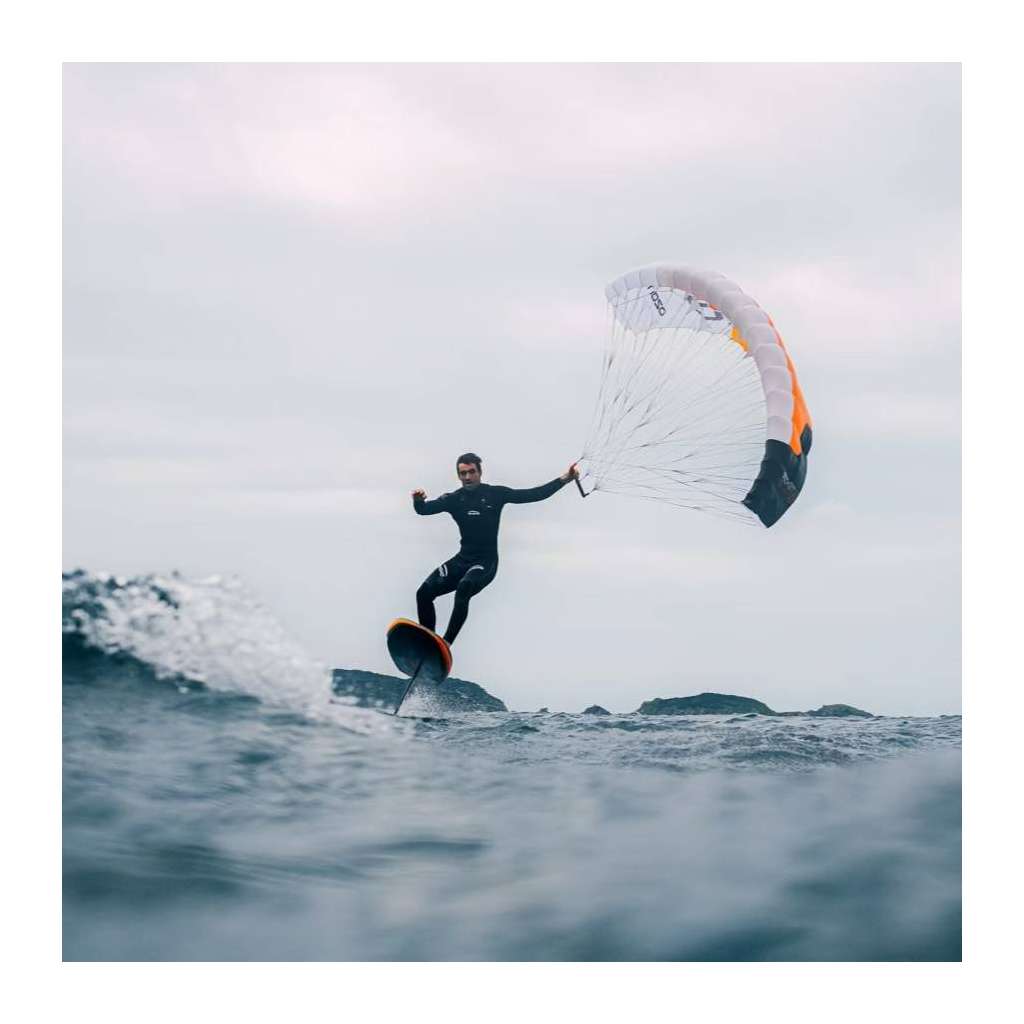
Hadou shares several simple but formidable techniques. The first involves pulling slightly on a back line during the curve: this creates a pivot point and helps the kite turn without losing tension. In light wind, pumping becomes a valuable ally, as it helps maintain lift and complete the jibe even in lulls. Finally, the packing jibe technique consists of folding the kite in the curve, then relaunching it immediately after: this avoids twists and ensures a clean exit from the maneuver.
Progressing with method
Landing your first jibes in pocketwing or parawing requires practice, but Hadou's advice helps avoid many mistakes. By combining controlled speed, adapted trajectory, and alternative techniques, everyone can find their style and secure their transitions. These tips are all levers to gain fluidity and fully enjoy the unique sensations of parawing.
FAQ: The pocketwing jibe
What speed is needed to successfully jibe?
Sufficient but not excessive speed: slow down slightly, luff a bit, then engage a sharp turn to maintain the tension of the lines.
Which wing for light wind?
Lightweight pocketwings with short lines like the Flysurfer POW, Ozone Pocket Rocket, or F-One Frigate, to maintain responsiveness in light wind.
What is a packing jibe?
Folding the wing during the turn and relaunching it immediately after: this prevents twists and ensures a clean exit.
How to maintain tension in the lines?
By reducing the downwind phase, pulling back to create a pivot, and pumping through lulls to maintain lift.
Ready to get into pocketwing?
Our experts will help you choose the lightweight wing and foil suited to your size, spots, and wind conditions.
See the pocketwing range Contact us Call us
Also read
Summary of Hadou Brunner's video. Wing prices and availability are subject to change: contact our team for personalized advice.