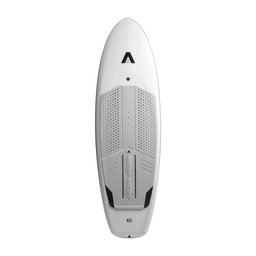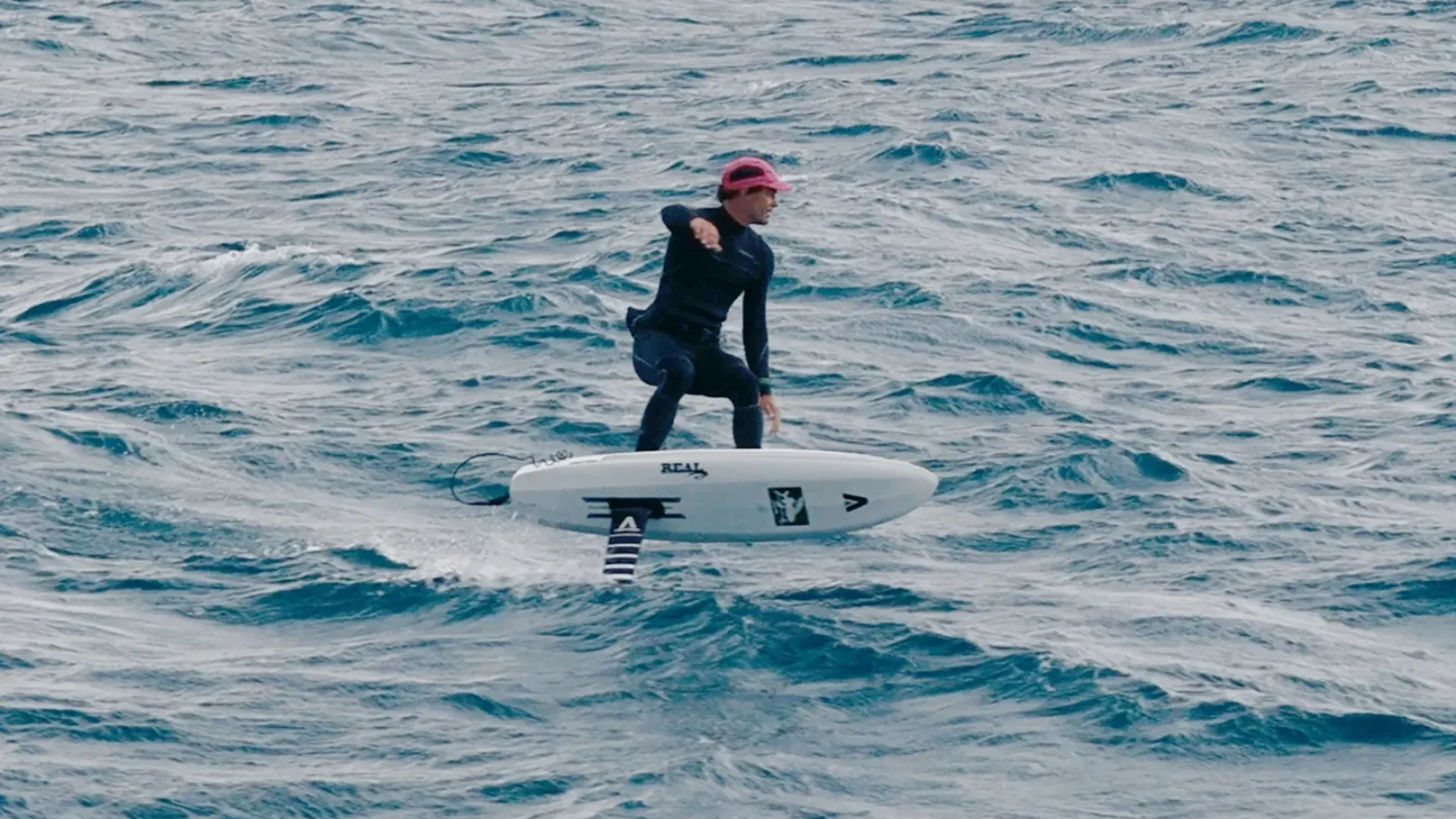
Armstrong Midlength MKII 2026: Test and Review (Foil Board)
When a brand releases the second generation of an already successful product, one question always comes up: have they really improved it, or just changed it? This is the guiding principle of Hydro Gav's test of the Armstrong Midlength MKII 2026, which he rode back-to-back against excellent boards. His verdict is quick: it's not just a simple update. We summarize what it's worth, without distorting his words.
Thanks to Hydro Gav for this independent and detailed test, with no affiliation to Armstrong. His full video is embedded below: watch it in its entirety and subscribe to his channel to support his work.
The Armstrong Midlength MKII 2026 is a versatile foil board in X-Form construction (wingfoil, prone, foil assist, SUP foil), in 9 sizes from 38 to 130 L, from 2.249 to 2.€649 TTC.
Tested by Hydro Gav: completely redesigned (shape, construction, weight, volumes), it weighs 4.52 kg in 85L, the lightest production board he has used, with no loss of stiffness. He highlights an exceptional connection to the foil, very easy underpowered take-offs (ideal for parawing) and a very forgiving hull shape for touchdowns. Main reservation: a premium positioning, and it is neither a radical freestyle board nor a sinker for jumps.
Who is the Midlength MKII for?
According to Hydro Gav's test, the Midlength MKII targets wingfoilers who want a board that takes off effortlessly in light wind while keeping the option to go down a wing or foil size in established wind. It is also one of the best production parawing boards according to the tester, and a real pleasure to play in the waves once flying. It also supports prone and foil assist (Foil Drive compatible).
It is less suitable for those who want the smallest and most radical board possible for freestyle or jumps, for pure sinker enthusiasts, or for tight budgets (the positioning is premium). To complete your setup, see our selection of wingfoil foils and wing foil boards.
Which size of Midlength MKII should you choose?
The Midlength MKII is available in nine volumes, from 38 to 130 L, from 2.249 to 2.€649 TTC. Hydro Gav measured the 85L (2.€499) at 4.52 kg. The 65L and smaller volumes are his favorites for performance and wave wingfoiling.
| Size | Price |
|---|---|
| 38 L (4'8") | €2,249 |
| 45 L (5'0") | €2,299 |
| 55 L (5'4") | €2,349 |
| 65 L (5'8") | €2,399 |
| 75 L (6'0") | €2,449 |
| 85 L (6'4-inch, measured) | €2,499 |
| 100 L (6'8") | €2,549 |
| 115 L (6'11") | €2,599 |
| 130 L (7'2") | €2,649 |
Not sure about your size? Write to us to match it to your build, foil, and use.
Midlength MKII Technical Specifications
| Feature | Detail |
|---|---|
| Brand | Armstrong |
| Model | Midlength MKII 2026 (Midlength FG MK2) |
| Construction | New X-Form technology |
| Use | Wingfoil, prone, foil assist, SUP foil (Foil Drive compatible) |
| Sizes | 38, 45, 55, 65, 75, 85, 100, 115, 130 L (9 volumes) |
| Weight (85L measured) | 4.52 kg |
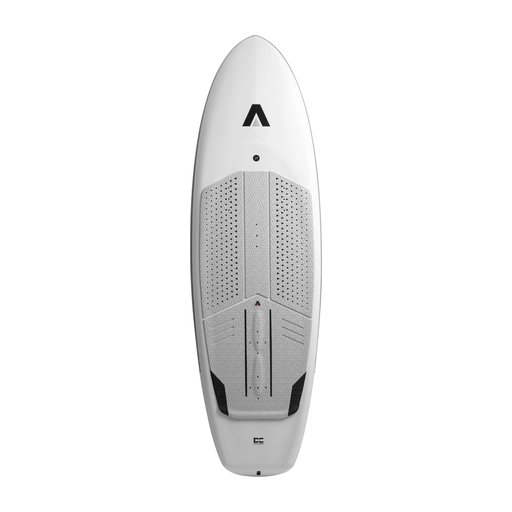
| 85L Dimensions | 6'4-inch x 21⅜" x 4½" |
| Hull shape | Hybrid (between displacement and planing), efficiency-oriented |
| Footstrap inserts | Adjustable Y-layout |
| Included | Board bag, Dyneema leash retention |
| Price (incl. VAT) | from 2.249 to 2.€649 (85L at 2.€499) |
Our detailed test of the Midlength MKII
The field feedback is from Hydro Gav, who conducted an independent test, with no affiliation to Armstrong. The MKII completes the brand's trio of new products this season, following the new mast range and the new wing.
Independent Test: Hydro Gav
A shape designed for parawing (and wing)
If Hydro Gav were asked for his ideal dimensions for a parawing midlength, he'd come up with something very close to this MKII. The 85L measures 6'4-inch long, 21⅜" wide, and only 4½" thick: enough length to take off in marginal conditions without feeling long when riding, volume pushed forward, a well-pinched tail, and a width that ensures stability. For him, it's the perfect shape for parawing, and the balance is maintained across the entire range (the 65L is one of his favorite boards). An excellent parawing board almost always makes an excellent wing foil board: the MKII is lively, controllable, and fast, to the point of becoming his favorite for wave winging.
Exceptional Foil Connection
Although it's very buoyant, the board never feels oversized on the water, even in larger volumes, where many production midlengths become heavy and disconnected from the foil. The first thing that strikes you is the thinness in the foot placement area: every millimeter less in thickness brings the rider closer to the foil. Whether pumping for take-off, engaging turns, or reacting to the foil, the feedback is immediate, precise, and incredibly connected.
Record Weight That Changes Everything
This is the point that impressed him the most: the 85L weighs 4.52 kg, the lightest production board he has personally used, lighter than many lower-volume boards and even some customs. But it's not the number that matters, it's the result: no impression of fragility or lack of stiffness. Every pump stroke translates directly into forward motion, and despite the length, the lightness minimizes swing weight.
A Hull Shape Between Two Worlds
This is where Armstrong was clever. Between a displacement hull shape (efficient at low speed, forgiving but unstable when stationary) and a planing hull shape (stable and fast but trickier), the MKII sits in the middle, slightly oriented towards efficiency, without ever becoming nervous. Its full benefit is revealed during touchdowns: a slight nose contact or a rail catching, and the board absorbs the error instead of unbalancing you. This is one of the tester's favorite features: we all make mistakes, and this one is forgiving.
Effortlessly Easy Take-offs
The combination of a longer outline, an efficient hull shape, and well-thought-out volume distribution makes underpowered take-offs ridiculously easy. This is invaluable in parawing, where you don't always have the luxury of generating power at will: you lean on the nose, get the board flying, and use a technique similar to SUP downwind. Efficient, predictable, and formidable; at no point did Hydro Gav want more.
The Details That Make the Difference
This is an area where Armstrong excels beyond almost everyone else. The included board bag remains one of the best on the market (most damage happens off the water), and the Dyneema leash retention prevents getting stuck at the opening. The insert layout is an adjustable, functional, and minimalist Y, the deck grip is high quality with positioning markers, and the new screw direction markers under the board speed up foil assembly. The board is fully optimized for Foil Drive.
Midlength MKII vs. Midlength FG (V1)
| Compared to… | What the test says |
|---|---|
| Midlength FG (V1) | The MKII isn't just a facelift: it's lighter, more connected to the foil, more efficient, and more forgiving on touchdowns than the original, which was already very successful. |
| Current benchmarks (parawing / wave wing) | It competes with the best (Axis Mini Dart, latest KT, Omen); the final choice mostly comes down to personal preference. |
In summary: our opinion on the Midlength MKII
The Armstrong Midlength MKII 2026 is not just a cosmetic update. Shape, construction, weight, and volume distribution have all evolved to create a lighter, more connected, and more forgiving board than its predecessor. Hydro Gav, who deliberately sought out its weaknesses, came away empty-handed, to the point of classifying it in the same very restricted category as the Ozone Pocket Rocket V2. For both parawing and wave wingfoiling, it competes with the best current benchmarks, and for him, it largely deserves the enthusiasm it will generate.
FAQ: Armstrong Midlength MKII
What is the Armstrong Midlength MKII 2026?
It's a second-generation versatile foil board, completely redesigned with X-Form construction. It covers wingfoil, prone, foil assist, and SUP foil (Foil Drive compatible), in 9 sizes from 38L to 130L, and excels in parawing.
How much does the Midlength MKII 85L weigh?
The 85L measured by Hydro Gav weighs 4.52 kg, making it the lightest production board he has tested, even lighter than several lower-volume models.
Is the Midlength MKII good for parawing?
Yes, according to the tester, it's one of the best production boards in this discipline. Its shape, forgiving hull, and easy light wind take-offs are perfectly suited for parawing.
Which size of Midlength MKII should you choose?
The range goes from 38L to 130L. The 85L is suitable for versatility and light wind, while the 65L and smaller volumes are favored for performance and wave wingfoil. Our team can help you choose based on your weight and use.
What is the price of the Armstrong Midlength MKII 2026?
It is offered from 2.€249 TTC for the 38L to 2.€649 TTC for the 130L, with the 85L at 2.€499 TTC.
Is the MKII suitable for freestyle and jumps?
That's not its primary purpose. Riders who want the smallest and most radical board possible for freestyle or jumps should opt for a dedicated sinker.
We'll help you choose
Our team practices wingfoil and parawing all year round. We'll advise you on size, volume, and use, remotely or at our Pornichet store, to find the board that's right for you.
Book an appointment Call us View boards
Source: Independent review of the Armstrong Midlength MKII 2026 by Hydro Gav (YouTube video "Armstrong Midlength MKII Review"). This article is a summary in French, published with our thanks; the opinions expressed are his own, transcribed without distortion.