Kitesurf : quelle discipline choisir
Guide mis à jour en février 2026 Tu sais que tu veux faire du kite.
En résumé
- Derrière le mot « kitesurf » se cachent en réalité six pratiques bien différentes, avec leur matos, leurs spots, leurs sensations.
- Ce guide en bref Le kitesurf regroupe six disciplines principales, freeride, freestyle, wave, kitefoil, lightwind et downwind, chacune avec son matériel, ses conditions et ses sensations propres.
- Ce guide compare les 6 pratiques pour t'aider à trouver celle qui te correspond.
- Naviguer, enchaîner les bords, sentir la traction de l'aile, s'amuser sans prise de tête.
Guide updated February 2026
You know you want to kite. But which kite, exactly? The word "kitesurf" actually covers six very different disciplines, each with its own gear, spots, and sensations. Freeride, freestyle, wave, foil, lightwind, downwind… each has its own DNA. This guide helps you find the discipline that's right for you.
This guide in brief
Kitesurfing encompasses six main disciplines: freeride, freestyle, wave, kitefoil, lightwind, and downwind, each with its own equipment, conditions, and unique sensations. This guide compares the 6 practices to help you find the one that suits you. Written by the GlissEvolution team, 21 years of watersports expertise in Pornichet.
In 30 seconds
- Allround / beginner → Freeride (80% of kiters)
- Thrills / jumps → Freestyle / Big Air
- Wave riding → Wave / Surfkite
- Speed / pure glide → Kitefoil
- Light wind riding → Lightwind
- Adventure / raid → Downwind
Summary
Freeride, the allround kitesurf
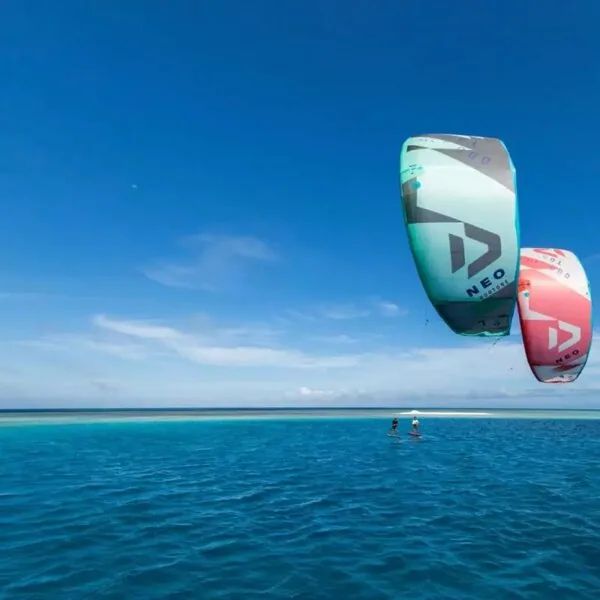
Freeride is freedom. Riding, linking turns, feeling the pull of the kite, having fun without overthinking it. It's the discipline 80% of kiters experience, and where many choose to stay. The pure pleasure of gliding, with forgiving gear that adapts to all conditions.
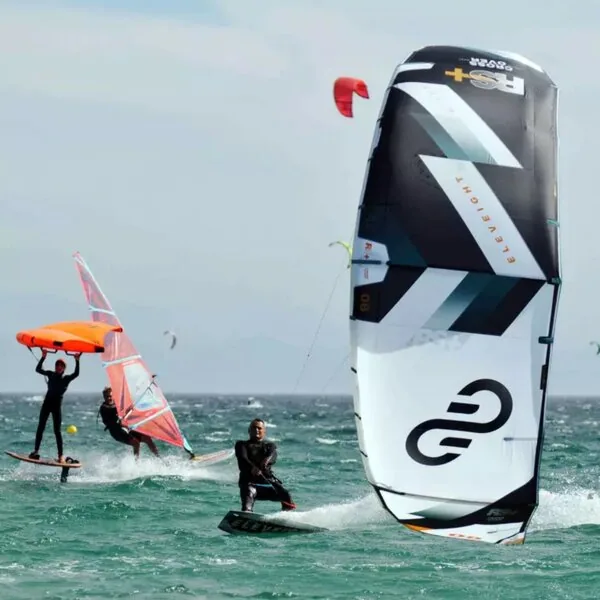
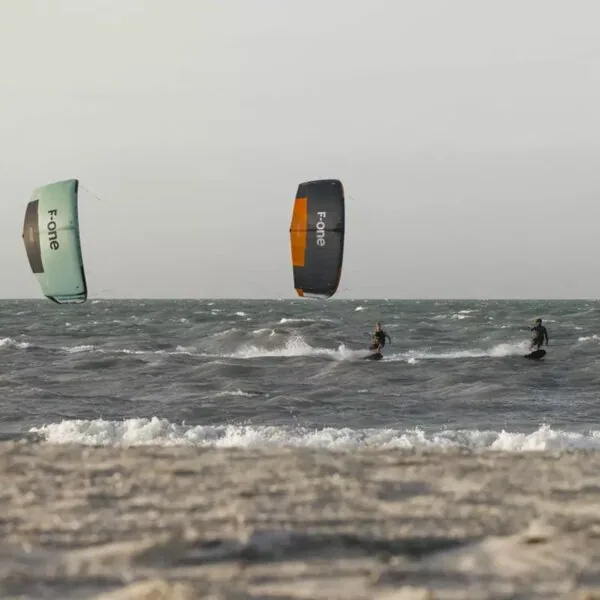
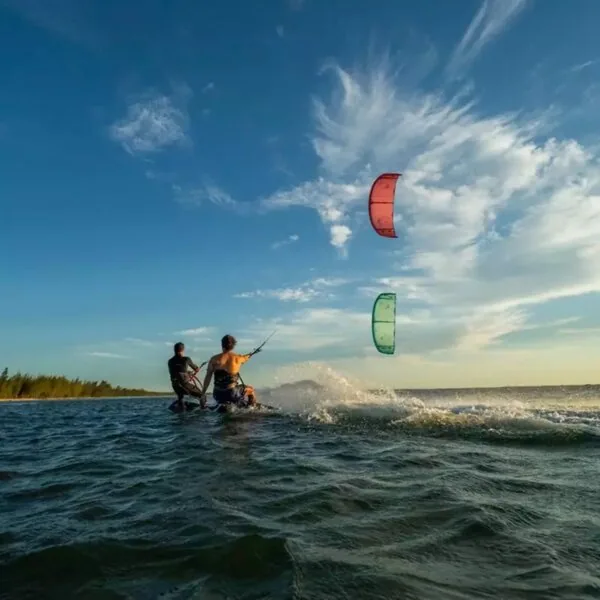
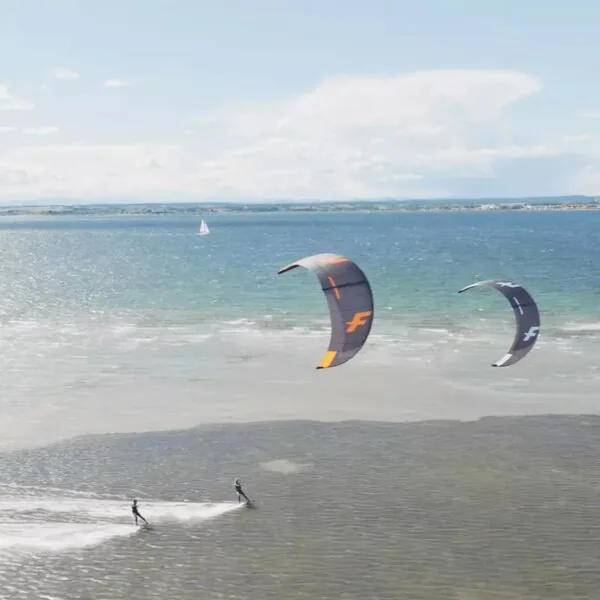
Typical profile
- Beginner to advanced
- Seeks the pleasure of riding
- Wants allround gear
- Not obsessed with pure performance
Ideal Conditions
- Wind: 15-25 knots
- Water: flat to moderate chop
- Spots: lagoons, bays, beaches with limited fetch
- France: Mediterranean, Southern Brittany, Atlantic
Freeride Gear
For freeride, you're looking for a versatile kite that's stable, easy to relaunch, and has a good wind range. Hybrid or delta kites are perfect. As for boards, the twintip remains the standard: symmetrical, it allows you to ride in both directions without changing your feet. It's the ideal combo for progression and having fun in all conditions.
Want to go further? Discover our guide Upwind Performance in Kitesurf, the key skill for freeriders.
Our Freeride Selection
Freestyle / Big Air, thrills guaranteed
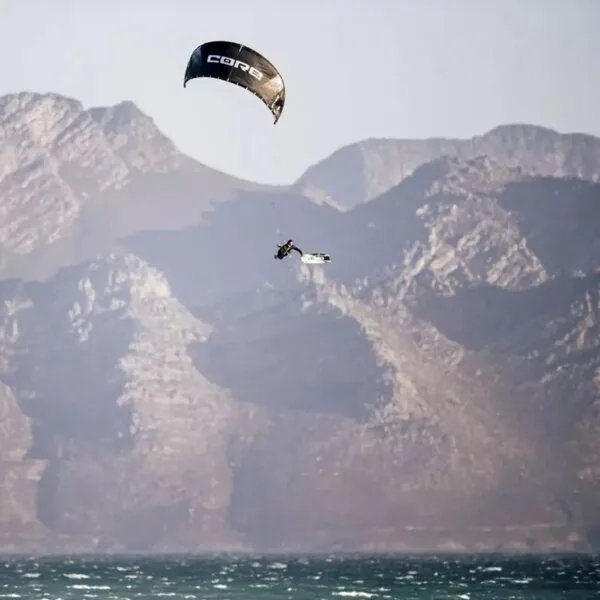
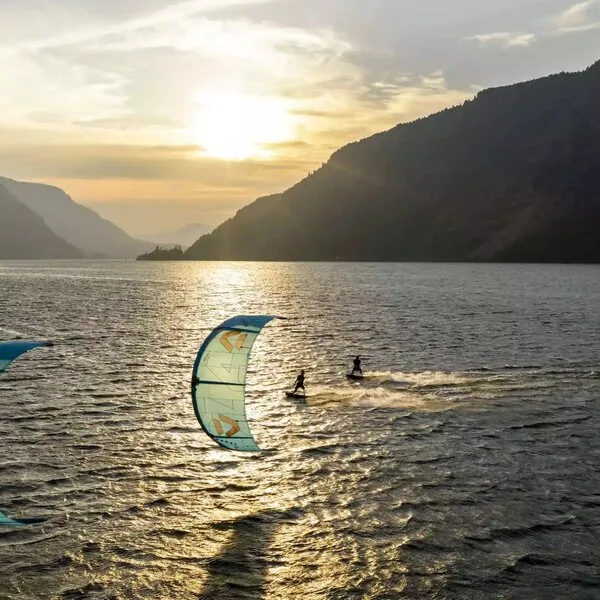
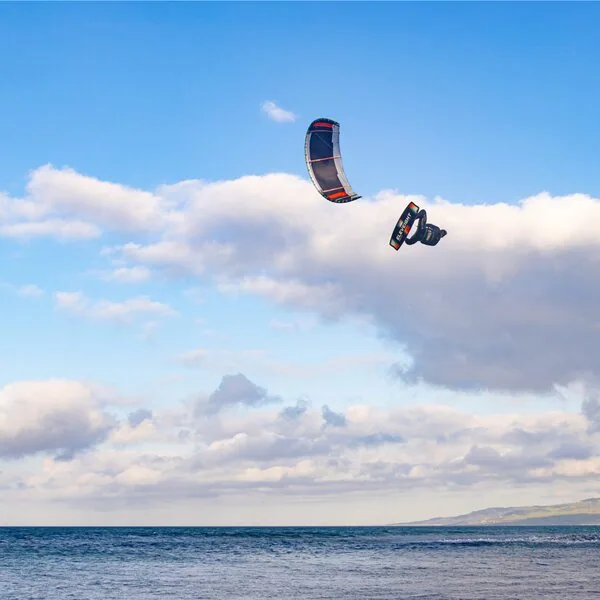
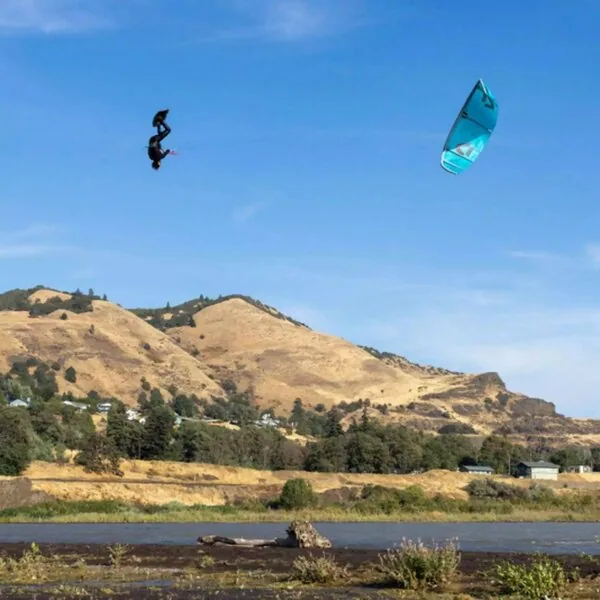
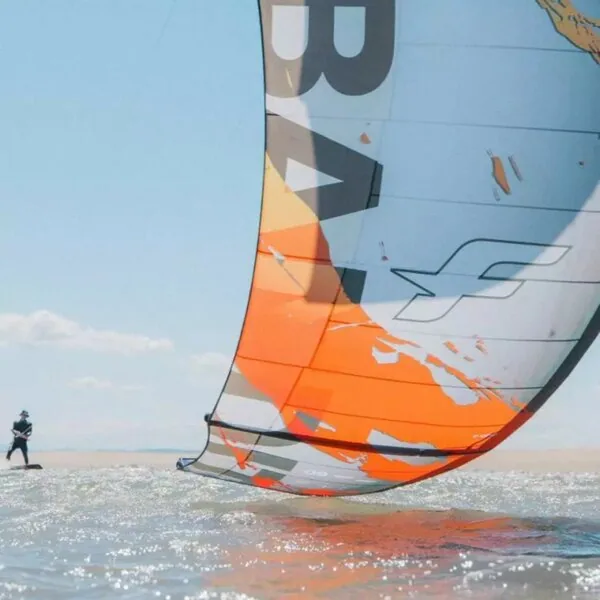
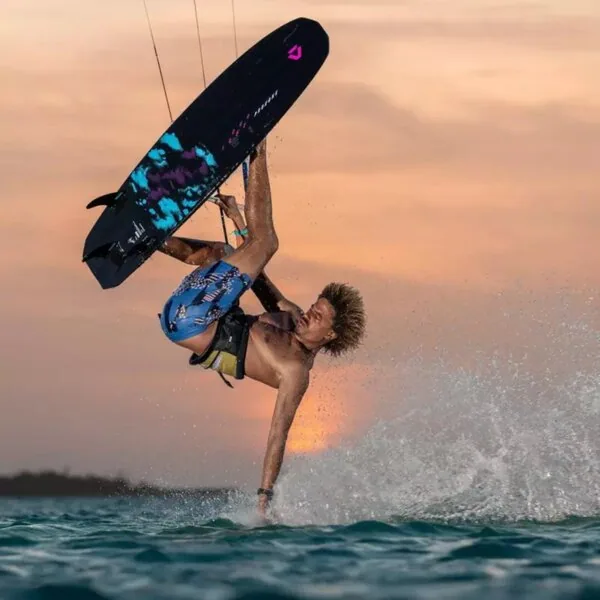
Taking off 10 meters from the ground, staying suspended for 5 seconds, chaining a rotation… Freestyle and big air are the adrenaline of kitesurfing. Two complementary approaches: freestyle favors technical tricks (rotations, grabs, passages de bar), while big air focuses entirely on height and hang time, that magical moment when you float in the air.
Typical profile
- Minimum intermediate level
- Comfortable with jumps
- Seeking technical progression
- Good physical condition
Ideal Conditions
- Wind: 18-30 knots (the stronger, the more powerful)
- Water conditions: flat or small chop
- Spots: large open spaces, deep water
- France: Leucate, Gruissan, shaft
Freestyle / Big Air Gear
Freestyle and big air kites are designed to generate power and lift. C-shape or sporty hybrid kites offer explosive pop and excellent hang time. The board is often a stiff twintip, more responsive, with aggressive fins for better grip on landing. Some riders use boots for better control during rotations.
Want to progress in the air? Check out our guide Improve your big air skills.
Our Freestyle / Big Air Selection
Wave / Surfkite: Riding the Waves
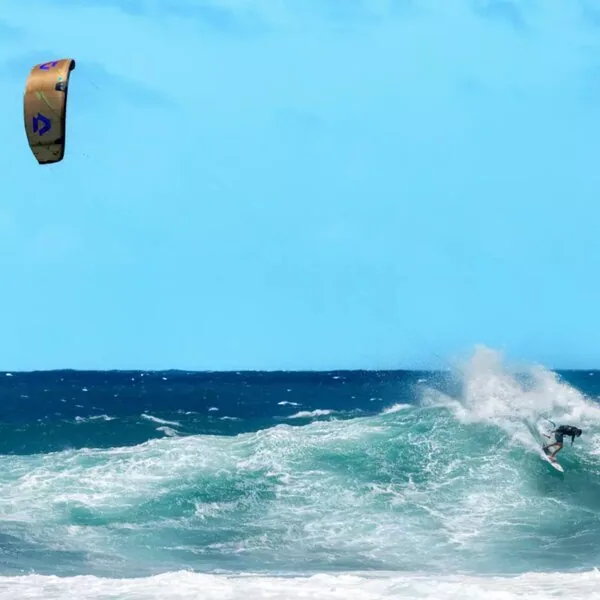
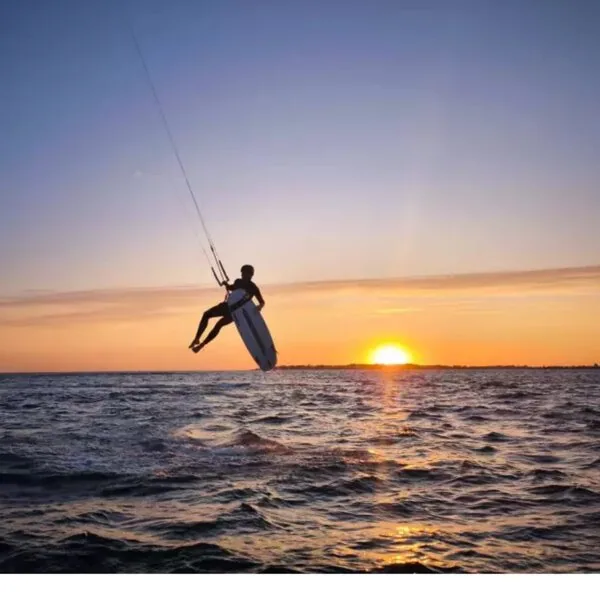
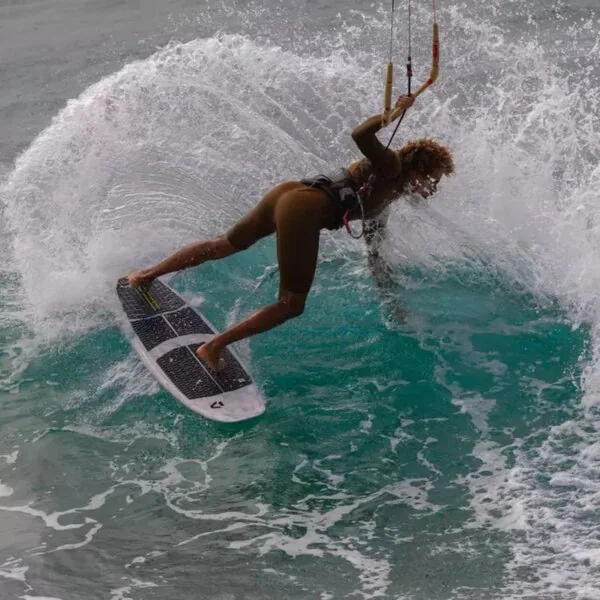
Wave riding is the perfect fusion of kite and surf. You use the kite to build power towards the wave, then let it drift above you while you surf. The sensations are close to surfing, carves, bottom turns, cutbacks, but with the ability to return to the peak without paddling. For many, it's the ultimate discipline.
Typical profile
- Intermediate to advanced level
- Appreciates surf feel
- Loves the sensations of glisse
- Seeks connection with the ocean
Ideal Conditions
- Wind: 15-25 knots (side-shore or side-on ideal)
- Water conditions: waves from 0.5 to 2 m
- Spots: beach breaks, point breaks
- France: Landes, Pays Basque, Northern Brittany
Wave / Surfkite Gear
The wave kite is designed for drift, remaining stable and neutral above you while you surf. Delta or hybrid wave models offer this ability to be forgotten. The board is a directional kite surfboard, often strapless for a 100% surf feel. Shapes vary from compact fish to classic surfboard depending on your level and the waves at your spot.
Our Wave / Surfkite Selection
Kitefoil: Speed and Pure Glide
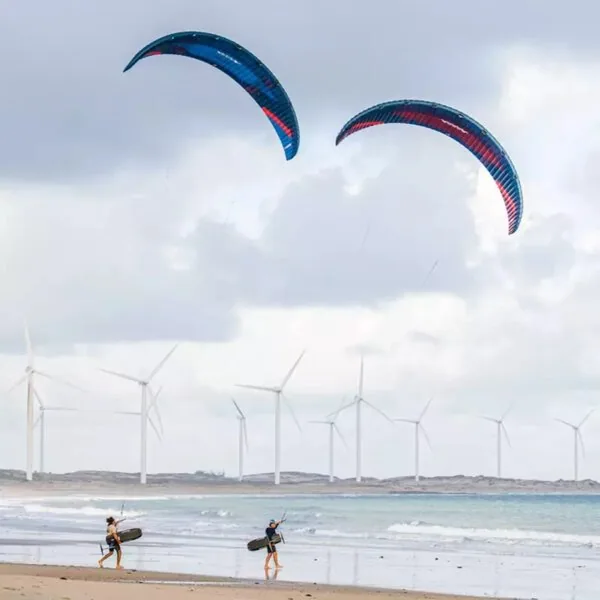
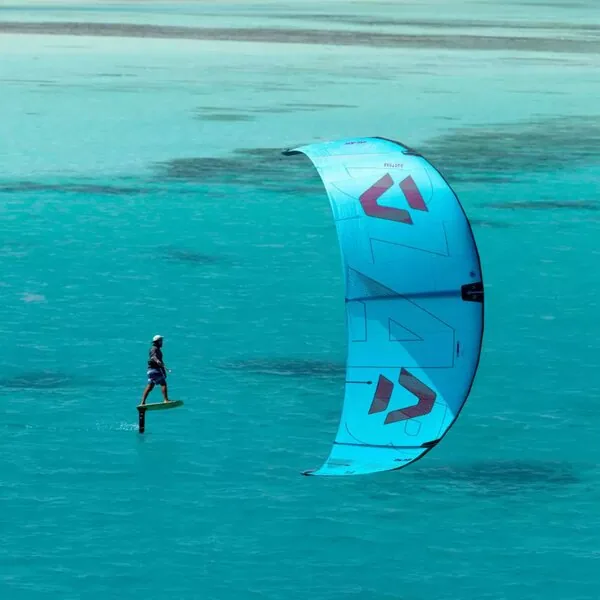
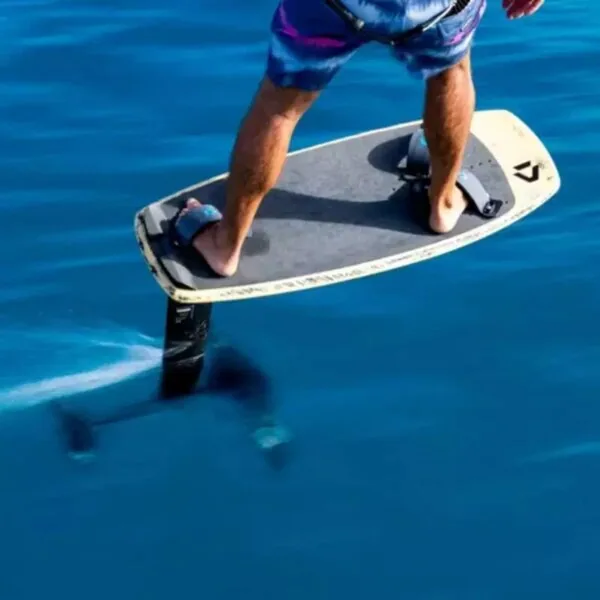
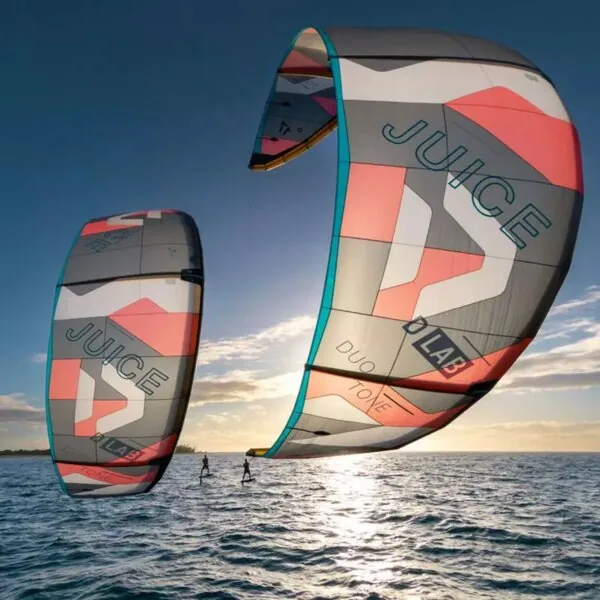
Kitefoiling has revolutionized kitesurfing. Thanks to the hydrofoil, you literally fly above the water. The sensations are unique: silence, speed, frictionless glide. It's also the discipline that allows you to ride in the lightest winds (from 8-10 knots). Once you've tried it, it's hard to go back.
Typical profile
- Intermediate level (solid kite basics)
- Attracted by technique and precision
- Looking for new sensations
- Wants to ride more often (less wind required)
Ideal Conditions
- Wind: 10-25 knots (riding possible from 8 knots)
- Water conditions: flat or slightly choppy
- Spots: deep areas (1.5 m min), not crowded
- France: all spots, ideal in the Mediterranean
Kitefoil Gear
Kitefoiling consists of a compact board (foilboard) and a hydrofoil with a mast, Front Wing, and stabilizer. The kite is often a lightweight delta, capable of generating power even in light wind. For beginners, a large Front Wing (surface 1.200-1.500 cm²) and a short mast (60-70 cm) are preferred. Experienced riders switch to high aspect for speed.
Our Kitefoil Selection
Lightwind: Riding in Light Wind
Frustrated when the wind drops to 12 knots and everyone else is packing up? Lightwind is the solution. With a large kite (15-21 m²) and a suitable twintip or foil, you can keep riding when others are just watching the sky. It's also an excellent gateway to foil, as conditions are gentler and falls less violent.
Typical profile
- All levels (beginner+ in classic kitesurf)
- Wants to maximize their sessions
- Lives in a low-wind region
- Patient and methodical
Ideal Conditions
- Wind: 8-15 knots
- Water: flat (essential for lightwind foil)
- Spots: lakes, lagoons, sheltered bays
- France: Lac de Sainte-Croix, ponds, Mediterranean
Lightwind Gear
Two approaches: large LEI kites (Leading Edge Inflatable) in 17-21 m² for twintip, or foil-kites (closed-cell kites like Flysurfer) which offer exceptional performance in light wind. Foil-kites are more technical but incredibly efficient; some riders can ride in as little as 6 knots with a foil. The foil-kite + hydrofoil combo is the holy grail of lightwind.
Our Lightwind Selection
Downwind, the Adventure
Downwind is kitesurfing for exploration. You start at point A, ride downwind for 10, 20, or 50 km, and arrive at point B. No upwind performance, just the glide and the adventure. It's the discipline closest to a journey; some riders embark on multi-day raids along the coast.
Typical profile
- Advanced level (total range)
- Adventurous spirit
- Good understanding of weather conditions
- Ability to manage the unexpected
Ideal Conditions
- Wind: 15-30 knots, stable and consistent
- Body of water: open ocean or large expanses
- Spots: coasts with offshore wind, islands
- France: Brittany, shaft, island crossings
Downwind Gear
The downwind setup is minimalist: a small kite (7-10 m²) to avoid being overpowered when riding downwind, and a surfboard or foilboard depending on your skill level. Foil is increasingly dominating this discipline, allowing you to glide effortlessly, surf swells, and cover impressive distances. Your gear must be reliable, as you can find yourself far from anywhere.
Our Downwind Selection
Summary Table
| Discipline | Min. Level | Ideal Wind | Board | Kite Type | Key Sensation |
|---|---|---|---|---|---|
| Freeride | Beginner | 15-25 knots | Twintip | Hybrid / Delta | Allround |
| Freestyle / Big Air | Intermediate+ | 18-30 knots | Stiff Twintip | C-shape / Sporty Hybrid | Hang time |
| Wave / Surfkite | Intermediate+ | 15-25 knots | Surfboard | Delta Wave | Wave riding |
| Kitefoil | Intermediate | 10-25 kts | Foilboard | Light Delta | Silent flight |
| Lightwind | Beginner+ | 8-15 kts | Twintip / Foil | Large LEI / Foil-kite | Bonus sessions |
| Downwind | Advanced | 15-30 kts | Surf / Foilboard | Small kite | Adventure |
Related Guides
- Starting kitesurfing: The complete guide to getting started
- Choosing your kitesurf gear: Kite, bar, board, harness, understand everything
Frequently Asked Questions
Which kitesurf discipline should you start with?
Freeride is the ideal discipline for beginners. The gear is allround, forgiving of errors, and allows you to progress at your own pace. It's the foundation that then opens the door to all other practices.
Can you practice several disciplines with the same equipment?
Yes, with compromises. An allround hybrid Kite (like Evo, Bandit) allows you to do freeride, a bit of freestyle, and try out waves. But to perform in a discipline, dedicated gear makes all the difference.
Which discipline is the most physically demanding?
Freestyle/big air is the most physically demanding; jump landings put a lot of strain on the body. Wave also requires good fitness. Conversely, kitefoil is very smooth once flying.
What skill level is needed for kitefoiling?
You can start as soon as you've mastered the basics of kitesurfing: waterstart, riding, and upwind performance. You don't need to be an expert. Foiling requires specific learning, but it's accessible with patience.
Do you need a lot of wind for kitesurfing?
It depends on your gear. With a classic twintip, you'll need a minimum of 12-15 knots. With a foil and a large Kite or foil-kite, you can ride from just 8 knots. Kitefoiling has truly been a game-changer.
Which discipline should I choose if I live on the Atlantic coast?
The Atlantic offers ideal conditions for wave (Landes, Pays Basque) and freeride (South Brittany, Loire-Atlantique). If you want to ride more often, kitefoiling will allow you to make the most of medium wind days.
Need personalized advice?
Undecided between several disciplines? We'll help you choose the right gear for your riding style, level, and budget.
Pornichet Store, 2C Avenue du Gulf Stream, 09 62 64 74 77
Tuesday to Saturday: 10am-1pm / 3pm-7pm
Ready to ride?
Our spot guidesUne question sur le matériel évoqué ici ?
L'équipe GlissEvolution navigue sur ce qu'elle vend et répond de vive voix.